Floral Illustrations: A Practical Guide to Integrating Premium Vector Assets Into Your Creative Workflow
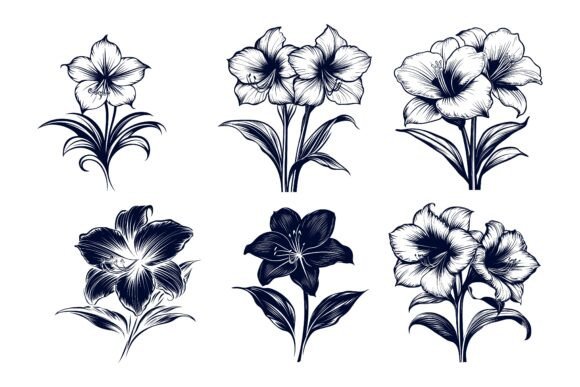
Floral illustrations have long been a staple in design, branding, and digital content. But the difference between a generic flower graphic and a high-quality, scalable vector set is substantial — especially when you are working under tight deadlines, managing multiple projects, or trying to maintain a consistent visual identity across platforms. The right collection of floral illustrations does not just save time; it becomes a foundational resource that fits into your process before, during, and after a project. This article walks through exactly how to integrate a premium AI EPS floral illustration set into your real-world workflow, what to look for in terms of file structure and usability, and why the specific features of this collection matter for professionals ranging from marketers to small business owners.
What Floral Illustrations Bring to Your Design Process
Floral illustrations are not merely decorative accents. They function as visual anchors that can set tone, guide attention, and reinforce branding. In a typical design workflow, you might spend hours sourcing or creating custom botanical elements — sketching, digitizing, adjusting curves, and ensuring consistency across a set. A well-made vector collection eliminates that upfront production time. Instead, you begin your project already equipped with a library of polished, editable assets that can be adapted to any layout, color scheme, or medium.
For entrepreneurs and small business owners, this means faster turnaround on marketing materials, social media graphics, and packaging mockups. For educators and bloggers, it means being able to produce visually cohesive handouts, presentation slides, and featured images without needing advanced illustration skills. For freelancers and agencies, it means more time spent on strategy and composition, and less on repetitive drawing.
Before the Project: Planning With Floral Illustrations in Mind
The most effective use of any asset set begins before you open your design software. During the planning phase, consider how floral elements will function in your overall layout. Are they supporting a central message, or are they the primary visual? Will they appear as full-page backgrounds, small icon accents, or repeating pattern elements?
Having a cohesive floral illustration set on hand allows you to sketch layouts with confidence. You already know the style, line weight, and level of detail you are working with. This reduces uncertainty and speeds up early decision-making. For example, if you are planning a seasonal campaign for a wellness brand, you can map out where leaves, blossoms, and vines will sit alongside typography and product photography — without waiting for custom artwork to be commissioned.
Compatibility and Preparation Checks
Before you begin, verify that the file format matches your tools. This collection provides AI, EPS, and JPG files, covering the major vector and raster workflows. AI and EPS are industry standards for Adobe Illustrator users, while JPG serves as a quick preview or lightweight use case for web mockups. The set is designed for both Mac and Windows environments, so no cross-platform issues should arise. A quick prep step: open the AI file, confirm your layers panel is visible, and familiarize yourself with the organization structure. This upfront check saves time later when you need to locate a specific element.
During the Project: Integrating Floral Illustrations Into Active Workflows
Once your project is underway, the real value of a well-organized illustration set becomes apparent. The file structure matters more than most users initially realize. When layers are neatly labeled and grouped, you can isolate individual floral elements — a single rose, a leaf cluster, a vine — and reposition them without disturbing the rest of your composition. This is especially important when building complex layouts such as infographics, app screens, or multi-page documents.
Editing and Customization in Practice
One of the strongest features of this set is the ability to change colors and modify icons easily. In a typical workflow, you might need to match a specific brand palette or adjust the mood from warm spring tones to cool winter hues. Because the illustrations are vector-based, you can select any element and apply a new fill or stroke color in seconds. For example, if you are designing a series of social media templates for a florist, you can duplicate the same illustration across multiple posts and simply shift the color scheme to match each promotion — Valentine’s Day pinks, autumn oranges, or wedding whites.
Consistency across those edits is assured by the level of detail built into each illustration. When the original artwork has clean curves, balanced proportions, and intentional detail, your modifications will hold up at any scale. You can enlarge a blossom for a poster background, shrink it for a favicon, or rotate it for a patterned texture — all without losing quality or introducing artifacts.
Use Cases Across Different Roles
Different professionals will integrate floral illustrations at different points in their process. Consider these scenarios:
- A marketer preparing a landing page might use a floral border to frame a call-to-action section, drawing the eye downward. The illustration is placed before the button, used as a visual cue, and then resized for mobile responsiveness.
- A publisher or educator creating a workbook can repeat a small floral icon at the start of each chapter to create visual rhythm. The asset is used both before the content (as a section marker) and during the reading experience (as a decorative break).
- A freelancer building a brand identity for a boutique can pull floral elements into the logo lockup, website header, and business card layout — all from the same source file. This ensures brand consistency across print and digital.
- An app developer or UI designer could use simple floral motifs as onboarding screen graphics or empty state illustrations. The ability to modify colors and simplify shapes makes the asset adaptable to different UI themes.
After the Project: Archiving, Reusing, and Scaling With Floral Illustrations
A good illustration set does not retire after one use. Because the files are neatly organized and fully editable, you can archive them and pull them into future projects with minimal friction. This is where long-term value accumulates. If you run a blog that publishes seasonal content, you can reuse the same floral collection across multiple years, simply updating colors or compositions to match each year’s branding.
For agencies and in-house teams, this reusability reduces the need to purchase new assets for every campaign. It also helps maintain a consistent visual language across different clients or departments. When everyone pulls from the same core set of floral illustrations, the output feels coherent even when designers change.
Quality Control and Consistency Over Time
One often overlooked factor is the role of illustration quality in long-term brand perception. If your floral assets have inconsistent line weights, mismatched styles, or low resolution, those flaws compound with repeated use. This set emphasizes perfection in details and consistency, which means every element in the collection feels like it belongs together. Whether you use one illustration or twenty, the visual harmony remains intact. This is especially important for print projects where quality control is scrutinized at high resolution, and for digital products where users notice subtle inconsistencies across screens.
Practical Implementation Tips for Smooth Integration
Getting the most out of floral illustrations requires a few deliberate habits. Here are practical steps to embed this asset set into your routine:
- Organize your library before you start. Create a dedicated folder for vector assets, and place the AI and EPS files there. Name files with descriptive tags so you can search for “rose” or “leaf” later.
- Use layer naming conventions. When you open the file, take a minute to understand the layer hierarchy. If you are collaborating with others, share a brief note on how the layers are structured.
- Create templates with pre-placed floral elements. For recurring projects — such as weekly newsletters or monthly social media posts — build a template that already contains your favorite floral motifs. Then simply swap colors or reposition elements as needed.
- Test scalability early. Before you commit to a layout, scale a few elements up and down to confirm they look crisp at both extremes. Because these are vector files, they should hold up, but it is always wise to verify.
- Combine with other tools. Floral illustrations work well alongside photography, typography, and geometric shapes. Drop a semi-transparent blossom over a photo for a soft overlay, or use a vine motif as a divider between text sections in a document.
Why File Format and Structure Matter for Your Workflow
The technical underpinnings of an illustration set directly affect how smoothly it integrates into your process. AI and EPS formats preserve vector data, meaning you can scale, recolor, and edit indefinitely without quality loss. JPG files offer a convenient raster preview for quick mockups or for clients who do not have vector software. The inclusion of all three formats gives you flexibility depending on the stage of your project.
Being designed for both Mac and Windows removes a common barrier. Many asset sets require specific software versions or operating systems, but this one is tested across platforms. The organized layer structure also reduces the time spent hunting for specific elements. In a fast-paced workflow, every minute saved on file management translates into more time for creative decision-making.
Suitability Across Media Types
Because the illustrations are detailed yet editable, they are suitable for print, web, symbols, apps, and infographics. In print, you need high-resolution vector output to avoid pixelation. For web and apps, you need lightweight assets that load quickly and scale across screen sizes. For infographics, you need visual elements that can be repeated, resized, and color-coded to represent data categories. This set checks those boxes, making it a versatile addition to any designer’s toolkit.
Bringing It All Together: A Workflow That Works
The most effective creative workflows are built on reliable, reusable resources. Floral illustrations, when chosen carefully, become more than just decorative elements — they become a structural part of your process. You plan with them, build with them, and archive them for future use. The specific features of this AI EPS collection — organized files, editable layers, cross-platform compatibility, and consistent detail — directly support that kind of integration.
Whether you are a marketer building a campaign, a freelancer delivering client work, a small business owner creating social content, or an educator preparing learning materials, having a quality floral illustration set at your fingertips changes how you approach visual design. You stop worrying about sourcing and start focusing on composition, meaning, and impact.
If you are ready to add this resource to your workflow, the file includes AI, EPS, and JPG formats, is neatly organized with clear layer structure, and gives you full control over colors and modifications. It is a practical investment in both efficiency and quality — one that will serve you across dozens of projects, platforms, and creative challenges.