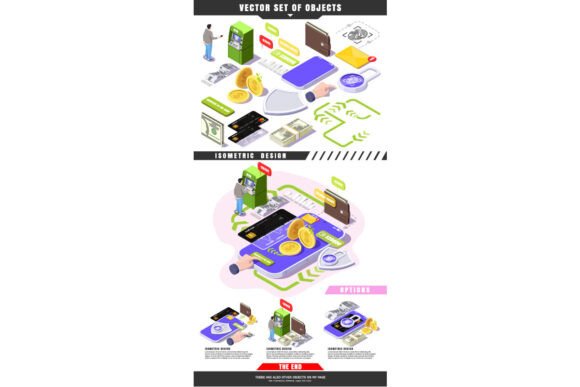
Money Withdrawal: Strategic Decisions in Everyday Finance
Money withdrawal is one of the most common financial actions people take, yet it is rarely treated with the strategic weight it deserves. Whether you are pulling cash from an ATM, transferring funds from a savings account, or liquidating an investment, each withdrawal carries implications for your liquidity, spending behavior, and long-term financial health. Understanding money withdrawal as a deliberate decision rather than a reflex can transform how you manage cash flow, plan for goals, and maintain control over your financial life.
At its core, money withdrawal is the act of converting stored value into accessible cash or near-cash instruments. This simple transaction sits at the intersection of personal finance, business operations, and economic activity. For individuals, it often means accessing funds for daily expenses. For entrepreneurs and small business owners, it can signal payroll timing, supplier payments, or reinvestment decisions. The way you approach money withdrawal shapes your financial flexibility and your ability to respond to opportunities or emergencies.
What Money Withdrawal Really Means for Your Financial Strategy
Money withdrawal is not merely a mechanical step. It is a signal about your priorities, your planning horizon, and your understanding of cash flow dynamics. When you choose to withdraw money, you are making a statement about what you need now versus what you are willing to keep reserved for later. This trade-off is fundamental to personal finance and business management alike.
Consider a freelancer who withdraws a portion of their earnings each week to cover variable expenses. The timing and amount of those withdrawals affect their ability to invest in equipment, pay taxes, or save for slower months. A small business owner who withdraws profits for personal use must weigh the impact on working capital. These are not trivial decisions. They require a clear view of income patterns, expense obligations, and future commitments.
Thoughtful use of money withdrawal supports better positioning in several areas of life and work. When you manage withdrawals intentionally, you maintain the liquidity needed for routine costs while preserving the reserves that enable investment, growth, and resilience. This balance is especially important for entrepreneurs, who often face irregular income streams and must plan for both lean periods and expansion opportunities.
Strategic Timing and Planning for Withdrawals
One of the most overlooked aspects of money withdrawal is timing. Withdrawing too early can leave idle cash earning nothing, while withdrawing too late can create liquidity crunches. The strategic approach involves aligning withdrawals with predictable cycles—billing dates, payroll schedules, tax deadlines, or seasonal spending patterns.
For example, a marketer running a seasonal campaign might need to withdraw funds for ad spend at specific intervals. A creator purchasing equipment for a project may time their withdrawal to coincide with a purchase window that offers discounts. These decisions are not random; they are informed by planning. A simple habit of reviewing upcoming expenses weekly can turn money withdrawal from a reactive chore into a deliberate tool.
Another layer of planning involves choosing the right source for withdrawal. Drawing from a checking account, a savings account, a credit line, or an investment each carries different costs, tax implications, and opportunity costs. A withdrawal from a high-yield savings account might sacrifice interest earnings, while a withdrawal from a retirement account could trigger penalties. Knowing which source to tap and when is a skill that develops with experience and ongoing attention to your financial picture.
Practical Use Cases for Intentional Money Withdrawal
Money withdrawal serves many practical purposes, each requiring a slightly different approach. Here are several common scenarios where thoughtful withdrawal decisions make a noticeable difference:
- Everyday cash management: Withdrawing a fixed amount weekly for discretionary spending helps maintain a budget without constant tracking. The key is setting a limit based on past spending patterns, not guesswork.
- Business operating expenses: Entrepreneurs often withdraw funds for supplies, rent, or contractor payments. Planning these withdrawals around revenue collection cycles reduces the risk of overdrafts or missed payments.
- Emergency preparedness: Keeping a small amount of cash on hand for unexpected needs is prudent. The strategic element is deciding how much to withdraw and how often to replenish it, based on your risk tolerance and access to other funds.
- Large planned purchases: When saving for a major expense—equipment, travel, a down payment—withdrawing the accumulated amount at the right time avoids premature spending and ensures the funds are available when needed.
- Debt management: Occasionally, withdrawing funds to pay down high-interest debt can be a smart move, provided the withdrawal does not create new financial strain. This requires comparing interest rates and understanding the net benefit.
Each of these use cases benefits from a clear goal. Without a goal, money withdrawal becomes a default behavior, often leading to unnecessary fees, lost interest, or impulsive spending. With a goal, it becomes an intentional step in a larger plan.
Risks of Withdrawing Without Clear Goals or Context
Using money withdrawal without a clear purpose or without understanding your broader financial context can create several problems. The most immediate risk is that frequent small withdrawals add up, eroding savings and making it difficult to track where money goes. Over time, this pattern can undermine budgeting efforts and create a false sense of financial availability.
Another risk is the opportunity cost. Money held in a withdrawal-ready account often earns less than money invested or saved in longer-term instruments. If you regularly withdraw more than you need, you may be sacrificing growth potential. This is especially relevant for younger professionals and entrepreneurs who have long time horizons for compounding returns.
There is also a behavioral risk. The act of withdrawing cash can make spending feel more abstract, especially when using a card rather than physical bills. Some people find that withdrawing a set amount for discretionary spending helps them stay within limits, while others find that having cash on hand encourages spontaneous purchases. Knowing your own tendencies is part of using money withdrawal wisely.
Finally, withdrawing from the wrong source at the wrong time can trigger fees, penalties, or tax events. A withdrawal from a retirement account before age 59½, for instance, may incur a 10% penalty plus income tax. Similarly, withdrawing from a line of credit without a clear repayment plan can lead to costly interest charges. These risks are avoidable with planning.
How to Use Money Withdrawal Intentionally
Moving from reactive to intentional money withdrawal starts with a few practical steps. First, set a clear purpose for each withdrawal. Ask yourself: What specific expense or goal does this cash serve? If the answer is vague, consider whether the withdrawal is truly necessary.
Second, establish a rhythm. Decide how often you will withdraw—weekly, biweekly, or monthly—and stick to a consistent amount. This reduces the mental load of frequent decisions and makes it easier to track spending. Many people find that a single weekly withdrawal for discretionary expenses simplifies budgeting and reduces impulse purchases.
Third, review your sources. Know the fees, interest rates, and penalties associated with each account or instrument you use. Keep a simple list of which accounts are for daily use, which are for savings, and which are for long-term growth. This awareness helps you choose the most cost-effective source for each withdrawal.
Fourth, integrate withdrawals into your broader financial plan. Money withdrawal should not exist in isolation. It connects to your income, expenses, savings rate, and investment strategy. When you review your finances monthly, include a quick check of your withdrawal patterns. Are you withdrawing more than expected? Are you drawing from the right accounts? Small adjustments here can yield significant improvements over time.
Fifth, communicate if you share finances with a partner or business colleague. Alignment on withdrawal amounts, timing, and purposes prevents misunderstandings and ensures that both parties are working from the same plan. This is especially important for co-owners of small businesses or couples managing household budgets together.
Long-Term Value of Strategic Money Withdrawal
When used thoughtfully, money withdrawal supports long-term financial health in several ways. It maintains the liquidity you need for daily life and unexpected events. It prevents the erosion of savings through unnecessary fees or penalties. It also reinforces the habit of purposeful financial decision-making, which carries over into other areas like investing, debt management, and retirement planning.
For entrepreneurs, strategic withdrawal practices can improve cash flow forecasting and reduce the stress of irregular income. For creators and freelancers, they enable smoother transitions between projects and help build the reserves needed for slow periods. For professionals and educators, they support consistent saving and spending patterns that align with long-term goals like homeownership, education funding, or career transitions.
The ultimate value of intentional money withdrawal lies in the clarity it brings. When you know why you are withdrawing, how much, and from where, you gain confidence in your financial decisions. That confidence reduces anxiety and frees mental energy for more creative and productive pursuits.
Money withdrawal is a small action with outsized consequences. By treating it as a strategic choice rather than a routine habit, you position yourself to make better decisions today and build a stronger financial foundation for tomorrow. Whether you are managing personal expenses, running a business, or planning for the future, the principles remain the same: be clear about your goals, understand your options, and act with intention.
In an era where digital transactions dominate, the physical act of withdrawing cash may seem less relevant. Yet the underlying decision process—choosing when and how to access stored value—remains central to financial well-being. Embrace it as a tool, not a reflex. Your future self will benefit from the discipline you build today.